Why Physical Products Are Outperforming Digital Upgrades
Your clients are tired of digital-only deliverables.
They want something their guests can hold. Something that doesn’t disappear into a phone. Something people will actually keep on their keys, bags, or desks for months after the event.
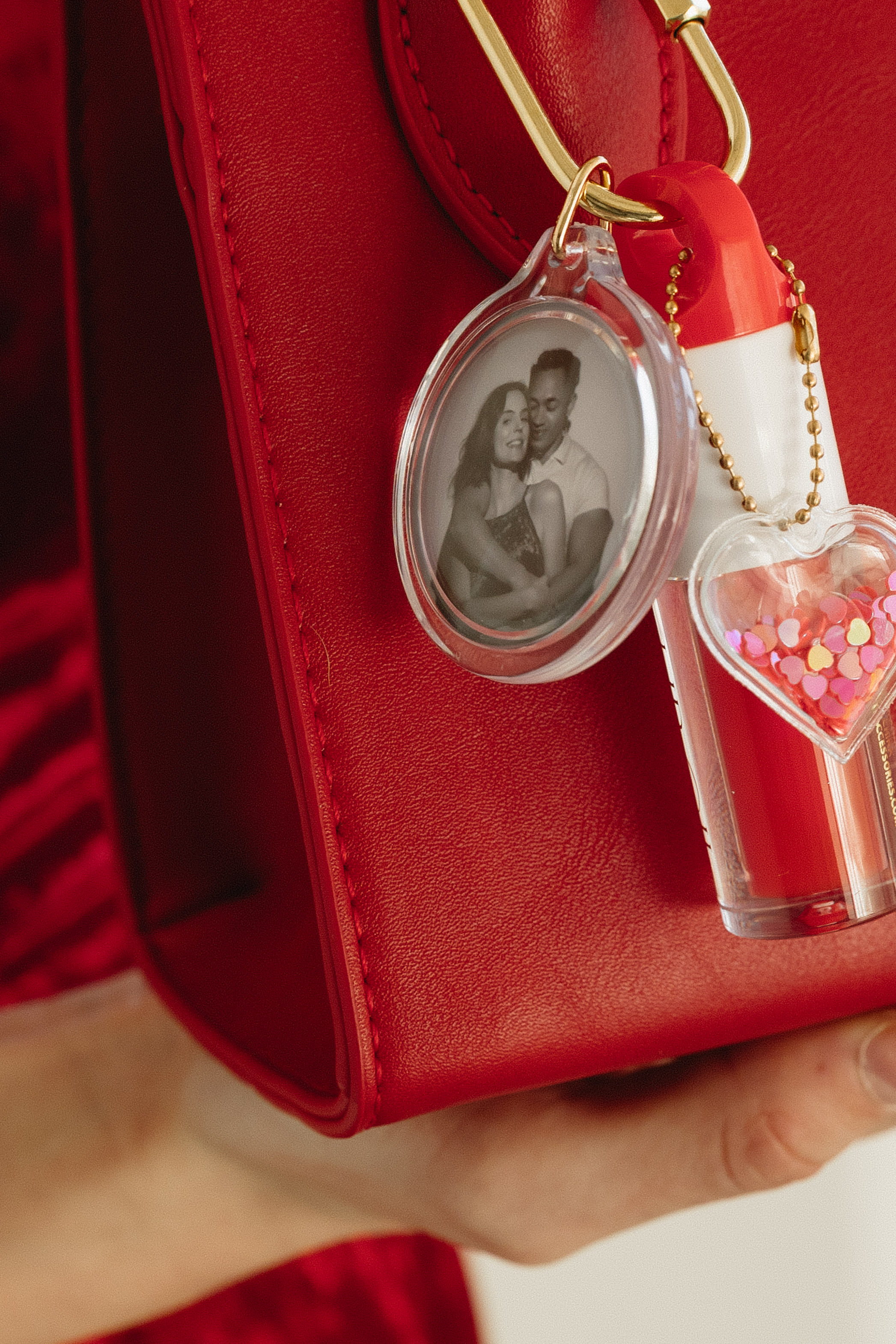
Photo booth keychains are that product. And operators who figured this out early are quietly adding $500 to $1,500 per event without buying new equipment or overhauling their workflow.
This isn’t a gimmick. It’s a legitimate revenue stream that works across weddings, corporate events, trade shows, and milestone celebrations. And the margins? Way better than you’d expect.
What Makes Keychains Different from Other Add-Ons
Most photo booth add-ons are experiential—GIFs, boomerangs, social sharing, green screen backgrounds. They enhance the event, but guests leave with the same thing they always get: a digital file.
Keychains flip that script entirely.
Guests walk away with a physical object. Something tangible. Something they clip to their keys the next day and see every time they leave the house.
That longevity is what makes keychains such a strong sell to clients. A digital gallery gets opened once, maybe twice. A keychain becomes part of someone’s daily routine.
And from a business perspective, physical products justify premium pricing in a way digital upgrades just don’t. Clients understand material costs. They get it. Which means less price resistance when you quote the add-on.
But here’s what really makes keychains special: the novelty factor. People already love taking home a tangible print. But a keychain? That’s something different. That’s fun.
For couples at weddings, it’s perfect—they get a photo of themselves together that they can actually use. I literally joked when I was testing these that I had my husband’s Valentine’s Day gift sorted: a little keychain photo of me. That’s the energy keychains bring. It’s playful, it’s personal, and guests genuinely want them.
How Operators Are Structuring Keychain Packages
The smartest approach isn’t charging per keychain. It’s packaging them by guest count and positioning it as “up to X keychains” so you’re not stuck making 200 keychains at a 50-person event.
Here’s what’s working in the market right now:
Package Structure Examples:
- Up to 50 keychains: $500-$600 add-on
- Up to 100 keychains: $900-$1,000 add-on
- Up to 150 keychains: $1,200-$1,500 add-on
Some operators are doing tiered upgrades: base package includes 100 keychains, then $250-$400 per additional 50.
The “up to” language is critical. If the client books 100 keychains but only 70 guests participate, you’re not obligated to make 30 extra. You keep the unused supplies for the next event and the client still got what they paid for—availability for their guest count.
Why This Pricing Works:
Let’s do the math. A pack of 100 pre-assembled keychains from TrueBackdrops runs about $280. That’s $2.80 per keychain in materials.
If you charge $900 for up to 100 keychains, and you use all 100, your material cost is $280. That leaves $620 in labor and profit.
But here’s the thing—you’re not just selling materials. You’re selling an experience. The setup. The activation. The staff managing the station. Quality control. The Instagram moment of guests picking up their custom keychain.
That’s why operators who understand experiential pricing are charging $1,000+ minimum for keychain packages, even though the per-unit material cost is under $3.
The Real Cost: Labor and Logistics
Keychains aren’t a “set it and forget it” add-on. You need to account for the actual operational reality.
Staffing Requirements:
At minimum, you need one person running the photo booth and one person assembling keychains. For high-volume events (100+ guests), some operators are bringing a third person to manage the keychain station and quality control.
The Assembly Process:
Most operators are setting up a dedicated keychain assembly station—either a separate table or an extension of the photo booth area. Guests take their photo, the image prints, and staff immediately assembles it into the keychain while it’s fresh.
The workflow is manageable, but it’s definitely an investment of time and attention. That’s why the pricing reflects the experience, not just the materials.
TrueBackdrops vs Amazon: The Quality Reality Check
Let’s talk about where you’re actually sourcing these keychains, because not all suppliers are equal.
TrueBackdrops:
- Pre-assembled pearl keychains at $280 per 100
- Consistent quality (operators report minimal defects)
- Ready to use out of the box—no assembly required
- Trusted supplier in the booth community
Amazon Acrylic Keychains:
- Cheaper per unit (often $1.50-$2.00 each)
- BUT—and this is critical—quality control is a gamble
- My last Amazon order? About 50% were unusable due to severe scratching on the front acrylic
If you go the Amazon route, you’re buying the acrylic blanks separately and assembling them yourself (the acrylic piece + the keychain hardware). That’s extra labor, and the scratching issue means you need to order way more than you actually need to account for defects.
The Math on This:
Let’s say you need 100 usable keychains. If 50% are scratched, you need to order 200 to end up with 100 clean ones. At $1.50 each, that’s $300 in materials—which is already more than the TrueBackdrops pre-assembled option at $280.
Plus you’re spending time inspecting every single blank, discarding the bad ones, and assembling the good ones yourself.
My recommendation: Start with TrueBackdrops for your first few events. Get the workflow dialed in. Understand what clients are actually willing to pay. Then if you want to experiment with cheaper suppliers to increase margins, you can—but you’ll know what quality standard you’re comparing against.
Event Types Where Keychains Absolutely Crush
Keychains aren’t a one-size-fits-all add-on. They work best in specific contexts where guests actually want a physical keepsake.
Weddings:
This is the bread and butter. Wedding guests are already in the mindset of collecting mementos—favors, programs, escort cards. A custom photo keychain with the couple’s names and wedding date? That’s a favor that actually gets used.
Position it as “interactive favors” in your pitch to wedding clients. It’s a favor and an activity rolled into one, which saves them money on traditional favors they would have bought anyway.
Corporate Events and Brand Activations:
The back of the keychain can feature a logo, brand message, or QR code. For product launches, conferences, or brand activations, this is a walking advertisement that guests carry for months.
I’ve seen operators charge $1,500+ for corporate keychain activations because the client understands the marketing value. Every time someone uses that keychain, they see the brand. That’s worth way more than a one-time Instagram post.
Trade Shows:
High foot traffic, people collecting swag, and everyone’s looking for something memorable to take home. Keychains fit perfectly. Bonus: the back can feature the exhibitor’s booth number or contact info.
Milestone Celebrations:
Think Sweet 16s, quinceañeras, milestone birthdays, graduations, retirement parties. These are events where guests want a tangible memory of the celebration, not just a digital file.
Where Keychains Don’t Work (And What Not To Do)
Let’s be clear about what we’re talking about here: keychains as an add-on to your existing photo booth package.
This is not a standalone service.
I’ve seen operators asking about doing “just a keychain station” where guests airdrop photos to a printer or choose images from their phone. That sounds like a nightmare. You’re dealing with file formats, image quality issues, guests who can’t figure out airdrop, and a whole lot of frustration.
The way keychains work best is simple: people are already booking your three-hour photo booth package. Then they add the keychain station on top of that. Guests take their photo at your booth, it prints, and your staff assembles it into a keychain right there.
People want photos of the thing that they’re at. If you already have a photo booth running, this is how you want to do it.
I’m not here to teach the people who want to take iPhone photos and use a portable printer. That’s just not the kind of quality we’re recommending here.
Skip keychains for:
- Casual backyard parties or events where guests are mostly kids under 10 (they’ll lose them immediately)
- Bar/bat mitzvahs unless the client specifically requests it—those crowds tend to prefer digital sharing over physical products
How to Pitch Keychains to Clients
Most clients don’t even know photo booth keychains are an option. You need to introduce the idea and position it as an experience upgrade.
Language That Works:
“In addition to digital photos, we offer custom photo keychains as interactive favors. Guests take their photo, and within minutes they receive a finished keychain they can clip to their keys or bag. It’s a keepsake they’ll actually use, and it doubles as your event favor—so you can skip the traditional favors you were planning to buy.”
Show, Don’t Tell:
Have sample keychains in your consultation kit. Let the client hold one. The tactile experience sells itself way better than describing it.
Address the Objection:
Some clients will say “but not everyone will want one.” That’s fine. That’s why you structure it as “up to X keychains” based on guest count. They’re paying for availability, not guaranteed usage.
Package It Smart:
Don’t offer keychains as a standalone service. Bundle it with your booth package as an upgrade. It positions it as premium and prevents clients from price-shopping it separately.
The Setup: What You Actually Need
Equipment:
- Photo booth with printer (you already have this)
- 35mm photo cutter for wallet-size prints—TruePhoto also carries these in their shop
- Keychain blanks from TrueBackdrops or vetted Amazon supplier
- Assembly station table
- Bonus: Signage walking people through the experience so they don’t feel like idiots—simple stuff like “Take your photo. Come get your keychain.”
Supplies Per Event:
- Order 20% more keychains than the package allows (for mistakes, smudges, do-overs)
- Microfiber cloths for cleaning acrylic before assembly
- Small trash bin for discarded prints
- Make sure you’re doing a test run with your staff before this kind of event
Space Requirements:
You need room for the booth itself plus a separate 4-6 foot table for keychain assembly. If space is tight, some operators do assembly at the booth table, but it gets cramped fast with high volume.
Common Mistakes Operators Make with Keychains
Mistake #1: Charging Per Keychain On-Site
Do not—I repeat, do not—set up a system where guests pay for keychains individually at the event. That means handling cash, Venmo transactions, or card processing while trying to run the booth.
If you’re doing a public event like a Santa photo setup, have the venue or sponsor cover the keychain cost upfront. Build it into your contracted rate. Never deal with individual guest transactions.
Mistake #2: Under-Pricing Because “It’s Just Materials”
You’re not selling plastic and paper. You’re selling an experience, staffing, expertise, and a take-home memory. Price accordingly.
Mistake #3: Not Testing Your Assembly Workflow
Do a practice run before your first booked event. Time yourself. Figure out where the bottlenecks are. Identify what gets messy or complicated. Your first event is not the time to discover that your photo size doesn’t fit the keychain template.
Mistake #4: Forgetting Quality Control
Scratched acrylics, cropped faces, smudged prints—these ruin the experience. Build in a QC step where someone checks each keychain before handing it to a guest.
Real Talk: Is This Worth Adding to Your Business?
Keychains aren’t for every operator or every event.
You should add keychains if:
- You’re targeting weddings, corporate events, or milestone celebrations
- You have the staff capacity to manage a second activation
- Your clients value experiential upgrades and physical products
- You want to differentiate from competitors offering digital-only services
- You’re comfortable with logistics and quality control
Skip keychains if:
- Your business model is high-volume, low-touch
- You’re already stretched thin on staffing
- Your client base is extremely price-sensitive and won’t pay for add-ons
- You don’t want to deal with physical product inventory and quality issues
For operators in the wedding and corporate space, keychains are a no-brainer revenue boost. The margins are solid, the client demand is real, and it’s one of the few add-ons guests actually keep.
Just make sure you’re pricing it as an experience, not as a craft project. Your time, expertise, and execution are worth more than $2.80 in acrylic and paper.
Want to see what professional keychain setups look like before investing in supplies?
We’ve created sample imagery showing keychain stations, assembly workflows, and guest interactions specifically for operators testing this add-on. Explore the collection here (link coming soon) or join The Photo Booth Edit membership for $97/month to access this and all our other stock imagery, templates, and operator resources.